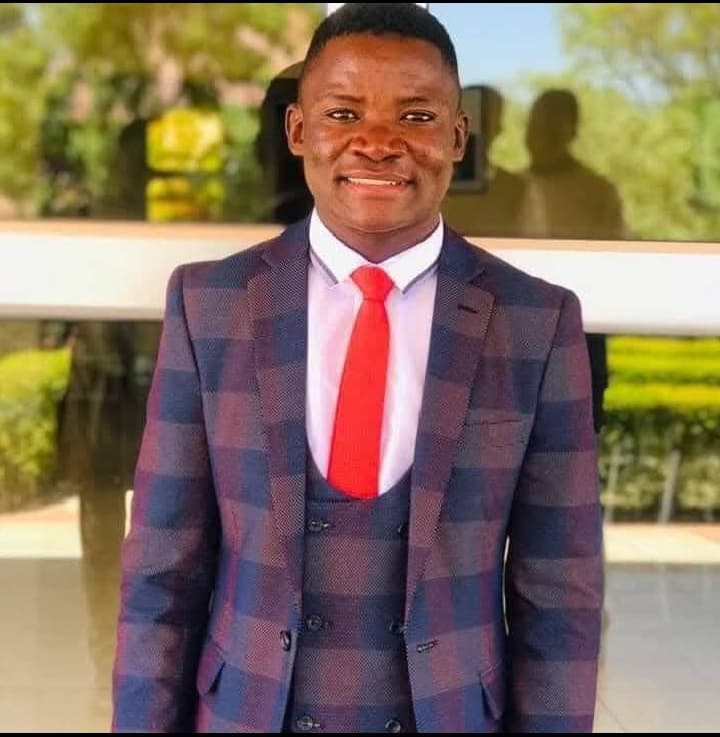
Penias Phiri
About the Author
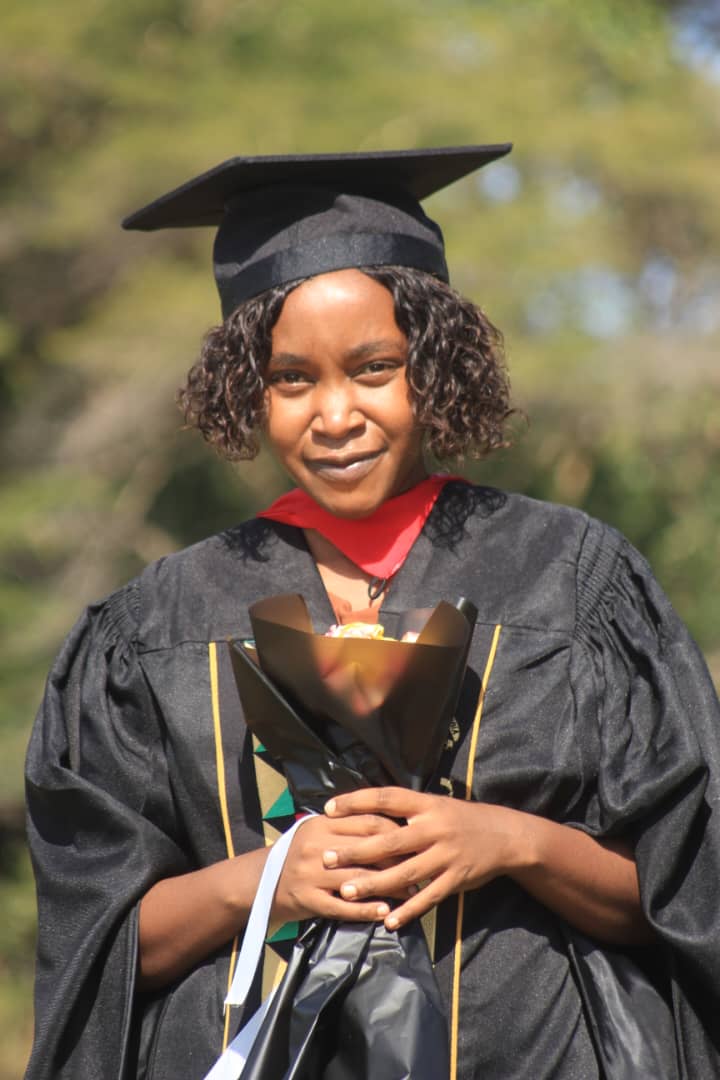
PENIAS PHIRI Zambian author of social-realist fiction Penias Phiri is a Zambian author whose work gives voice to ordinary people and to the social realities of African life. Born in 1997 and raised in Kalikongwe, Chadiza District, in Eastern Zambia, he grew up in a rural community where poverty sat alongside resilience, humility, and a deep belief in the value of education — themes that now run through everything he writes. He was educated at Bwanunkha Primary School and completed his secondary schooling at Chadiza Day and Chadiza Boarding Secondary Schools in 2016. A scholarship then took him to Africa University in Mutare, Zimbabwe, where he graduated in 2021 with First-Class Honours in a Bachelor of Arts with Education, specialising in English and Geography. In 2023 he completed a Master of Science in Human Rights, Peace and Development. That grounding in English, education and human rights shapes fiction that explores poverty, unemployment, love, culture, social injustice, and the transformative power of learning. His debut novel, Preparing the Ground, marks the beginning of a writing life devoted to telling African stories authentically — and to reminding young readers that their circumstances need not determine their future.
In His Own Words
What would you want readers to know about you?
I am a Zambian writer who believes in the power of stories to give voice to ordinary people and bring important social issues to light. My work is rooted in African experience — our culture, our struggles and our hopes — and I want it to inspire young people to believe in themselves, pursue education, and refuse to let hard circumstances define their future.
What do you write, and why?
I write social-realist African fiction about the lives of ordinary people — poverty, education, unemployment, love, culture, social injustice, human rights, and the hopes and struggles of young Africans. I am drawn to the stories of people whose experiences are often overlooked. I write because stories preserve culture, challenge society and give people a voice; they can turn everyday realities into work that educates, entertains and provokes reflection.
What inspires and drives your writing?
My greatest influence is my upbringing in a humble rural family in Eastern Zambia — a childhood surrounded by poverty, cultural tradition, community life, and people striving for something better. I am moved by the contrast between hardship and hope: the way people keep dreaming, loving, learning and persevering. When I see young people facing unemployment, poverty and limited opportunity, I feel compelled to write about it — and to remind readers that their circumstances need not be their destiny. My work as an educator, and my studies in human rights, peace and development, deepen that sense of purpose.
What challenges have you faced as a writer?
The main challenge has been finding time to write alongside a busy schedule and other responsibilities, and occasionally working around technical setbacks such as laptop problems. These have taught me patience, discipline, and the importance of writing on even when conditions are not ideal. How do you approach criticism? I see criticism as part of every writer's journey. I welcome constructive feedback and treat it as an opportunity to sharpen my craft and grow as an author.
What is the best book you have ever read?
Animal Farm by George Orwell. I admire how it uses simple, accessible language to tell a powerful story — beneath that simplicity lies a profound exploration of power, leadership, inequality and human nature. It reminds me that strong literature does not need complicated language; sometimes simplicity carries the strongest message.
What do you consider your best work so far?
Preparing the Ground, my debut novel. It brings together poverty, education, unemployment, culture, love, social injustice and the struggles of young people, and it is deeply connected to the communities that shaped me. But I don't see it as the ceiling of what I can do — I want each new book to grow in language, character, structure and emotional depth, until my work can stand confidently alongside contemporary African literature while staying true to my own voice.
What subjects do you think Zambians should write more about?
The everyday realities of ordinary people — poverty, unemployment, education, youth experiences, rural life, corruption, inequality, and the social and mental pressures people carry. We should also write about our local histories, languages, traditions and communities before some of these stories and practices disappear. Literature should not only entertain; it should document society, preserve culture, question injustice, and help future generations understand where we came from.
How do you make sure your message reaches your readers?
Through simple, accessible language, relatable characters and realistic situations. I prefer to carry important social issues inside engaging stories rather than lectures — using emotion, dialogue, cultural detail and familiar settings so readers connect with the characters first, and reflect on the deeper message as they go.
What do you hope to accomplish?
I hope to leave a meaningful literary legacy that reflects African experience, preserves our stories and culture, and gives voice to ordinary people. I want my books to inspire young people, encourage education and resilience, challenge injustice, and show that African stories belong on the global literary stage — and to keep speaking to readers long after I am gone. Away from the page Aside from writing, I enjoy playing soccer, which keeps me active and connected to others, and comedy, which lets me entertain people and see everyday life from a lighter perspective.
What's next?
I am focused on developing my writing career and engaging with readers and the wider literary community, and I hope to begin a second novel — building on everything I learned writing Preparing the Ground. Connecting with fellow writers I would love to connect with African writers — especially emerging Zambian authors, and any writer exploring culture, education, human rights and social justice — to share experiences of writing, publishing, and reaching wider audiences.